
As a video production analyst tracking the rapid evolution of generative media, I can confidently say that the filmmaking landscape has shifted fundamentally. If you are a director, marketer, or independent content creator looking to future-proof your post-production workflow, finding the Best AI Video Editors 2026 is no longer just a luxury—it is an absolute necessity. The days of blurry, morphing AI artifacts are behind us. This year, the industry’s battle for supremacy has narrowed down to three definitive powerhouses, each serving a distinct production need: Kling AI, Luma Dream Machine, and Runway Gen-4.
Let’s dive deep into the technical capabilities of these platforms and explore how they are reshaping professional video editing.
Why the Best AI Video Editors 2026 Focus on Control and Length
In previous years, AI video generation was highly experimental. Creators had to wrestle with unpredictable physics and incredibly short clip durations. The class of 2026, however, has pivoted toward integration with traditional Non-Linear Editor (NLE) workflows. Today’s standard demands hyper-realistic temporal consistency, precise directorial control, and the ability to generate sustained narratives.
Runway Gen-4: The Studio-Grade Standard for Precision
Runway has long been a pioneer in generative video, but Runway Gen-4 firmly bridges the gap between AI generation and professional cinematography. For high-end editors and VFX artists, two new features stand out: Consistent Motion and advanced Camera Control.
In the past, generating a subject walking across a room often resulted in mutating limbs or shifting background geometry. Gen-4’s “Consistent Motion” engine virtually eliminates these physics-breaking hallucinations, locking in the spatial awareness of the subject frame-by-frame. Furthermore, the newly refined “Camera Control” allows creators to dictate virtual cinematography with exact parameters. Whether you need a slow tracking dolly shot, a dynamic crane sweep, or a precise pan-and-tilt, Gen-4 executes it mathematically. For a professional editor, this means AI-generated B-roll can now cut seamlessly alongside live-action Arri or RED footage without jarring the audience.
Sora vs. Kling AI vs. Runway Gen-3: The 2026 Video AI Showdown
Kling AI: Breaking the Duration Barrier
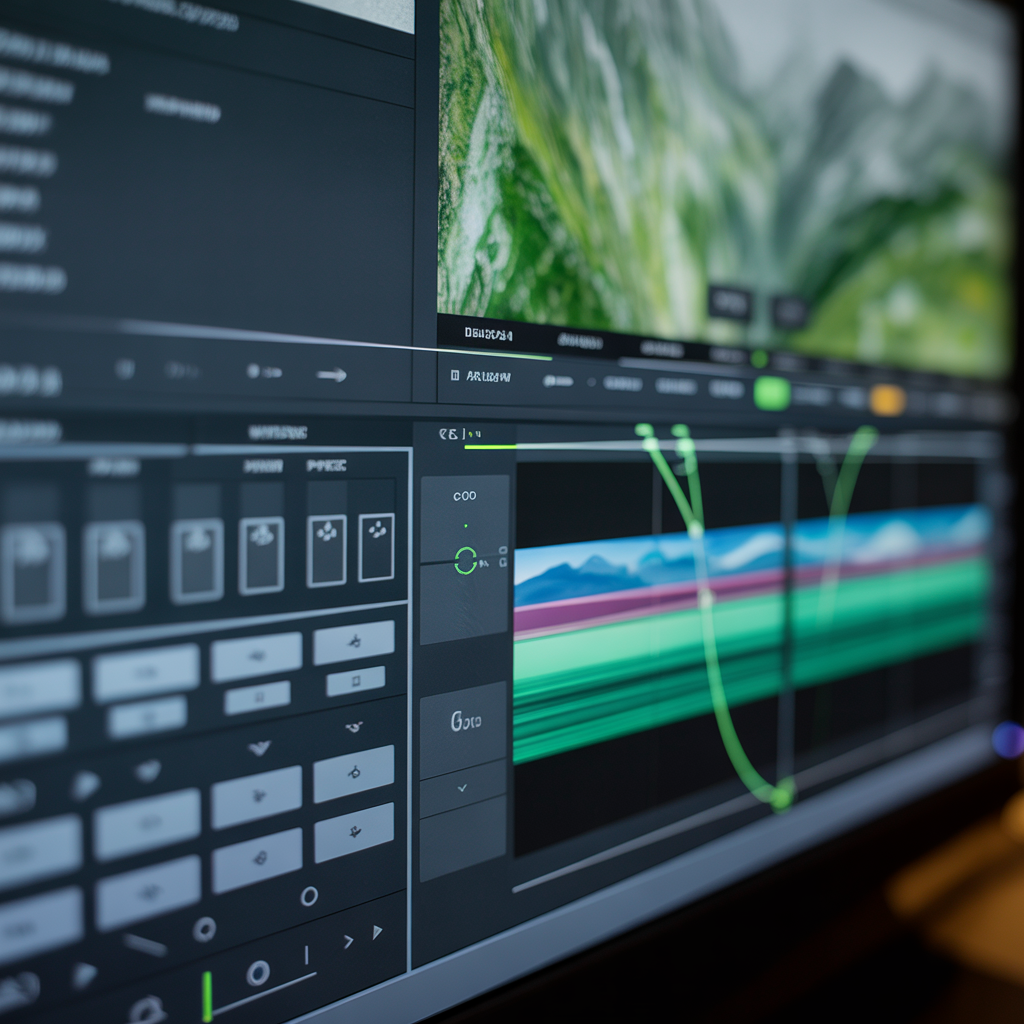
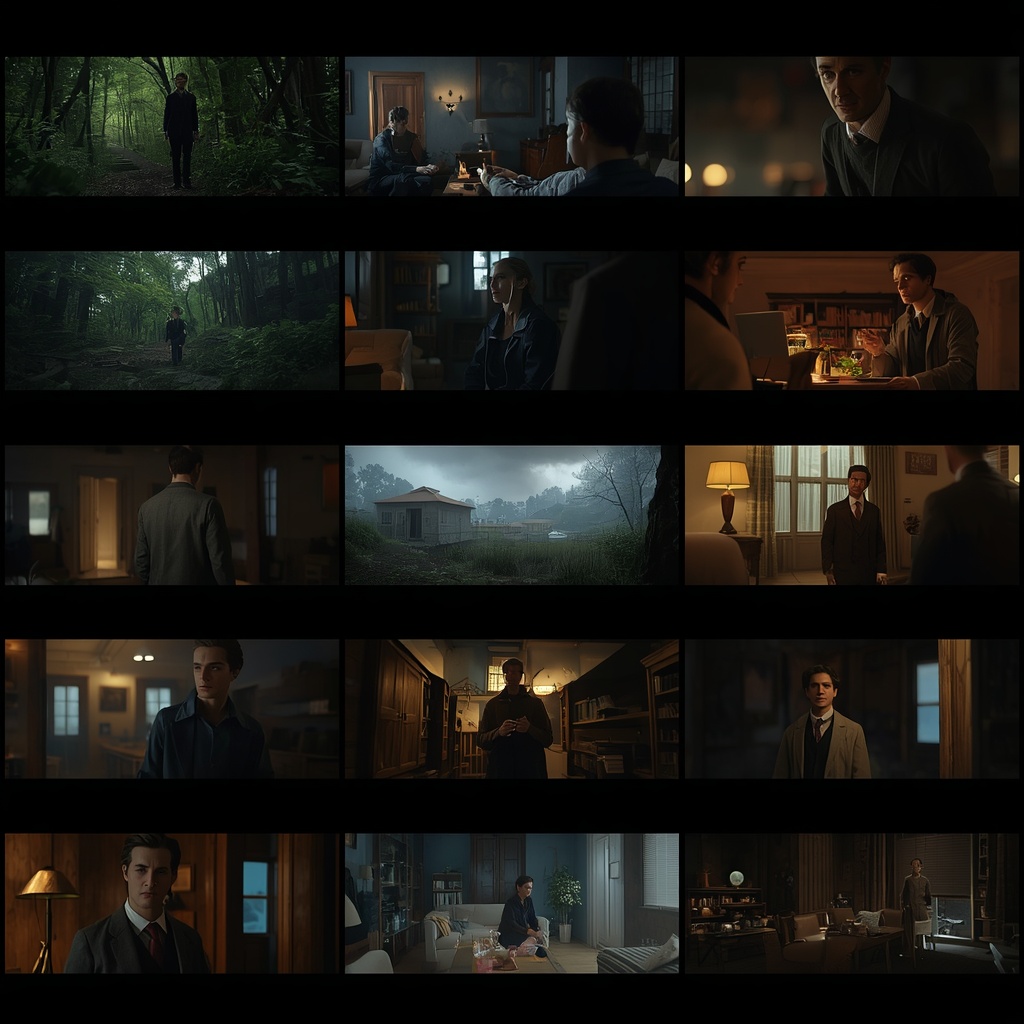
While Runway excels in frame-by-frame precision, Kling AI has achieved what was once considered the holy grail of generative video: sustained, high-resolution long-form generation. Kling now boasts an unprecedented capacity to generate continuous video up to 10 minutes in length without degrading in quality.
For documentary filmmakers, YouTube essayists, and narrative directors, this is a game-changer. Previously, creating a two-minute AI scene required generating dozens of 4-second clips and painstakingly stitching them together in Premiere Pro or DaVinci Resolve, hoping the continuity matched. Kling AI maintains character consistency, lighting, and environmental logic across extended timelines. Rendered in native high-resolution, it allows content creators to produce entire short films or extended music videos from a single, cohesive prompt architecture.
Luma Dream Machine: Unmatched Speed and Accessibility
Not every project requires Hollywood-level camera physics or 10-minute continuous renders. For social media managers, ad agencies, and iterative storyboarding, Luma Dream Machine is the undisputed champion of efficiency.
Luma’s architecture is built for sheer speed. It can render highly realistic, dynamic clips in a fraction of the time it takes its competitors. This rapid turnaround is crucial for creators who need to A/B test marketing creatives or jump on fleeting TikTok and Instagram Reel trends. Furthermore, Luma Dream Machine offers massive advantages through its highly accessible interface and generous free trial tiers. It lowers the barrier to entry, allowing independent creators to experiment, prototype, and export broadcast-ready clips without committing to heavy enterprise subscription fees upfront.
At a Glance: Spec and Feature Breakdown
To help you integrate the right tool into your studio’s pipeline, here is a direct data comparison of the top platforms.
Which of the Best AI Video Editors 2026 Fits Your Workflow?
| Platform | Price (Est. Monthly Tier) | Max Duration | Realism Score | Key Feature |
| Runway Gen-4 | $15 – $95+ (Standard/Pro) | Up to 60 Seconds | 9.8 / 10 | Consistent Motion & Camera Control |
| Kling AI | $10 – $60+ (Creator/Pro) | Up to 10 Minutes | 9.4 / 10 | Sustained High-Res Long-Form Generation |
| Luma Dream Machine | Freemium / $10 – $30 | 5 – 10 Seconds | 8.9 / 10 | Lightning-Fast Rendering & Free Trials |
The Analyst’s Verdict
Choosing the right software depends entirely on your output requirements.
- If you are a commercial director or VFX supervisor who needs absolute directorial control over camera movements to match existing footage, Runway Gen-4 is your workhorse.
- If you are a narrative filmmaker or long-form content creator who wants to bypass the tedious stitching of micro-clips, Kling AI is unparalleled.
- If you are a social media creator or indie producer needing to rapid-prototype high-quality visuals on a budget, Luma Dream Machine will keep you moving at the speed of the internet.
The AI video landscape has finally matured from a gimmick into a reliable production utility. By leveraging these tools correctly, content creators can exponentially scale their production value while cutting post-production timelines in half.
If you are looking for ways to monetize these high-end visuals, check out our deep dive into automating faceless YouTube channels 2026 to start your digital media business