


Why Etsy SEO 2026 Requires More Than Just Keywords
The era of manipulating e-commerce algorithms through brute-force keyword repetition has officially reached its end of life. As we navigate the landscape of Etsy Search Engine Optimization (SEO) in 2026, the underlying architecture of the platform’s search algorithms has fundamentally evolved. If your current operational protocol relies on stuffing titles and tags with disjointed phrases, your shop is likely experiencing systemic visibility deprecation.
Today’s algorithms rely heavily on Machine Learning models built around Semantic Search and Conversion Intent. Etsy’s search engine no longer strictly matches exact strings of text; instead, it utilizes vector databases to understand the contextual relationship between a buyer’s search query and your product. Furthermore, the algorithm heavily weights Conversion Intent—metrics indicating that a user is not just browsing, but actively progressing through a purchasing funnel.
To engineer a highly profitable storefront in 2026, sellers must adopt a systems-thinking approach. This requires abandoning superficial optimization and implementing robust, data-driven workflows. Below is the blueprint for engineering Etsy SEO success through analytical rigor and automated systems.
The Data-Loop Method: Master Your Etsy SEO 2026 Strategy
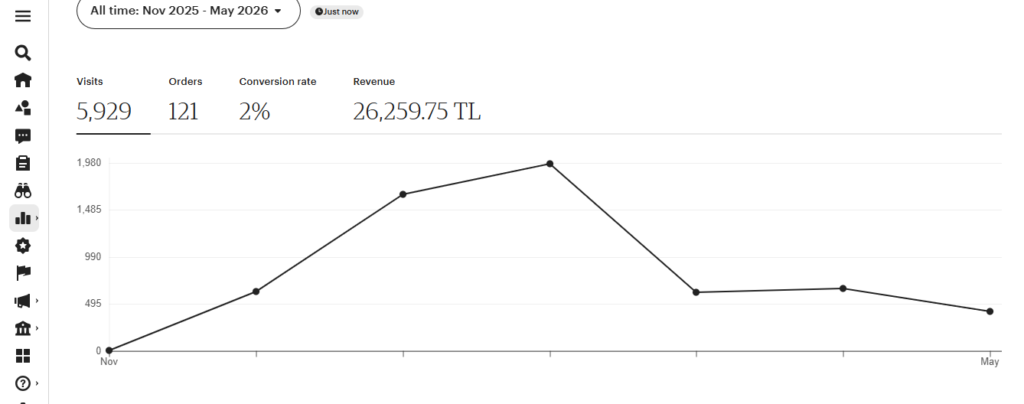
The most critical failure point for modern Etsy sellers is operating on intuition rather than empirical data. To achieve consistent visibility, you must engineer a closed-loop system for data acquisition, processing, and implementation. We call this The Data-Loop Method.
The objective of this workflow is to extract raw market data, structure it, and utilize Large Language Models (LLMs) to identify what we classify as Low-Competition, High-Intent gaps. Here is the technical workflow:
Phase 1 & 2: CSV Data Mapping Protocols
Begin by utilizing dedicated SEO APIs or tools such as eRank or Marmalead. Run a broad query related to your niche (e.g., “digital project planner”). Instead of subjectively scanning the interface, execute a raw export of the dataset.
Raw data is useless without structure. Once you have exported your dataset, you must perform CSV data mapping. This involves sanitizing the spreadsheet to isolate the most actionable variables:
- Search Volume (Query frequency)
- Competition (Market saturation)
- Click-Through Rate (CTR) (Historical engagement)
- Long-tail Keywords (Specific, multi-word queries)
Map these columns into a clean, normalized format, removing irrelevant metadata (like average price or shop counts) that can introduce noise into your AI processing phase.
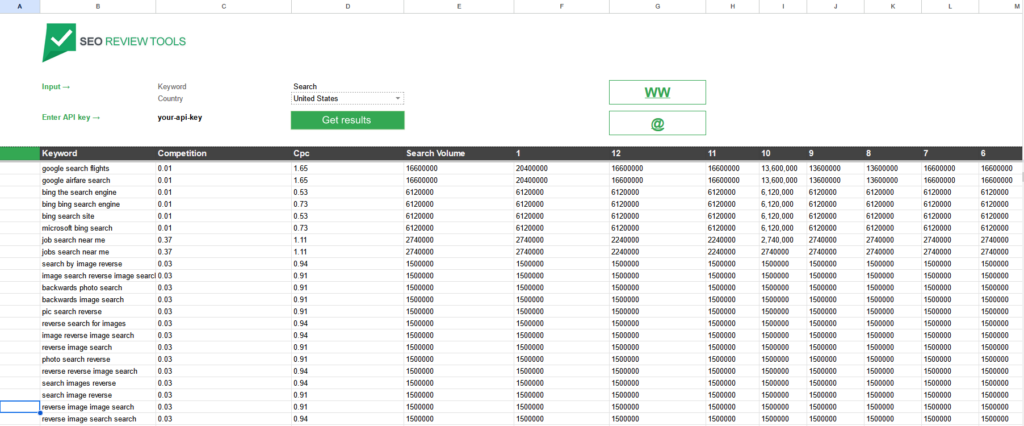
Phase 3: AI Vector Analysis for Long-Tail Saturation
Next, feed this structured CSV data into an advanced LLM (such as ChatGPT-4o or Claude 3.5). The goal is not simply to ask the AI for “good keywords.” You must prompt the AI to act as a data analyst.
Sample Prompt Architecture:
“Attached is a sanitized CSV mapping of Etsy search data for the digital planner niche. Analyze the relationship between ‘Search Volume’ and ‘Competition’. Filter for queries that exhibit ‘Low-Competition’ (under 2,000 competing listings) but possess markers of ‘High-Intent’ (specific use-cases, e.g., ‘ADHD notion template for students’). Output a matrix of the top 10 long-tail keyword vectors, prioritizing those with the highest probability of conversion based on semantic specificity.”
By integrating CSV data mapping with AI parsing, you bypass human cognitive bias and mathematically pinpoint the exact search vectors where buyer intent is high, but long-tail saturation has not yet occurred.
Case Study: A 50% Spike in Organic Engagement Using New SEO Systems
To understand the efficacy of systems-level SEO, we must examine a real-world application. In Q3 of 2025, a digital storefront specializing in “Agile Sprint Notion Templates” hit a plateau. Their diagnostic metrics showed high impressions but severe latency in actual sales. The shop was suffering from an engagement bottleneck.
The previous strategy focused purely on top-of-funnel visibility—ranking for broad terms like “Notion template.” While traffic was flowing, the algorithm quickly realized the conversion rate was abysmal. Etsy’s semantic engine penalized the listings, lowering their quality score.
As we discussed in our About Us mission, automation is the key to 2026 entrepreneurship.
The Intervention: CTR Optimization over Gross Views
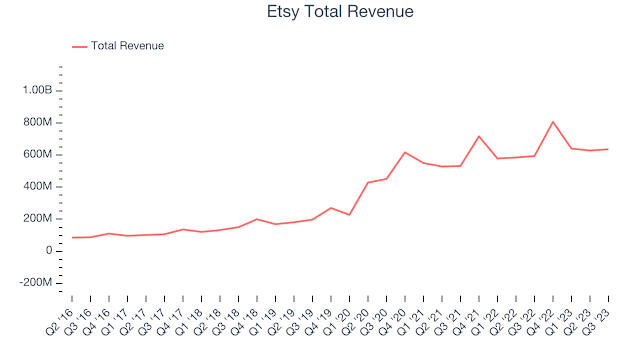
The engineering team shifted the operational focus from gross impressions to CTR optimization and organic engagement metrics. The hypothesis was that Etsy’s 2026 algorithm prioritizes listings that keep users actively engaged (dwell time, gallery scrolls, and micro-conversions like “Adding to Cart”).
- Re-targeting Intent: The team stopped competing for broad queries and focused purely on high-intent, low-competition vectors discovered via the Data-Loop Method. They achieved long-tail saturation for highly specific queries such as “Scrum master sprint retrospective Notion board.”
- Engagement Redesign: They overhauled the primary listing images. Instead of generic mockups, the thumbnails became infographic-style wireframes that visually answered the buyer’s exact query within 1.5 seconds.
- Dwell-Time Engineering: They added video walkthroughs and high-density information graphics to the image gallery, forcing the user to spend an average of 45 seconds longer on the listing.
The Results
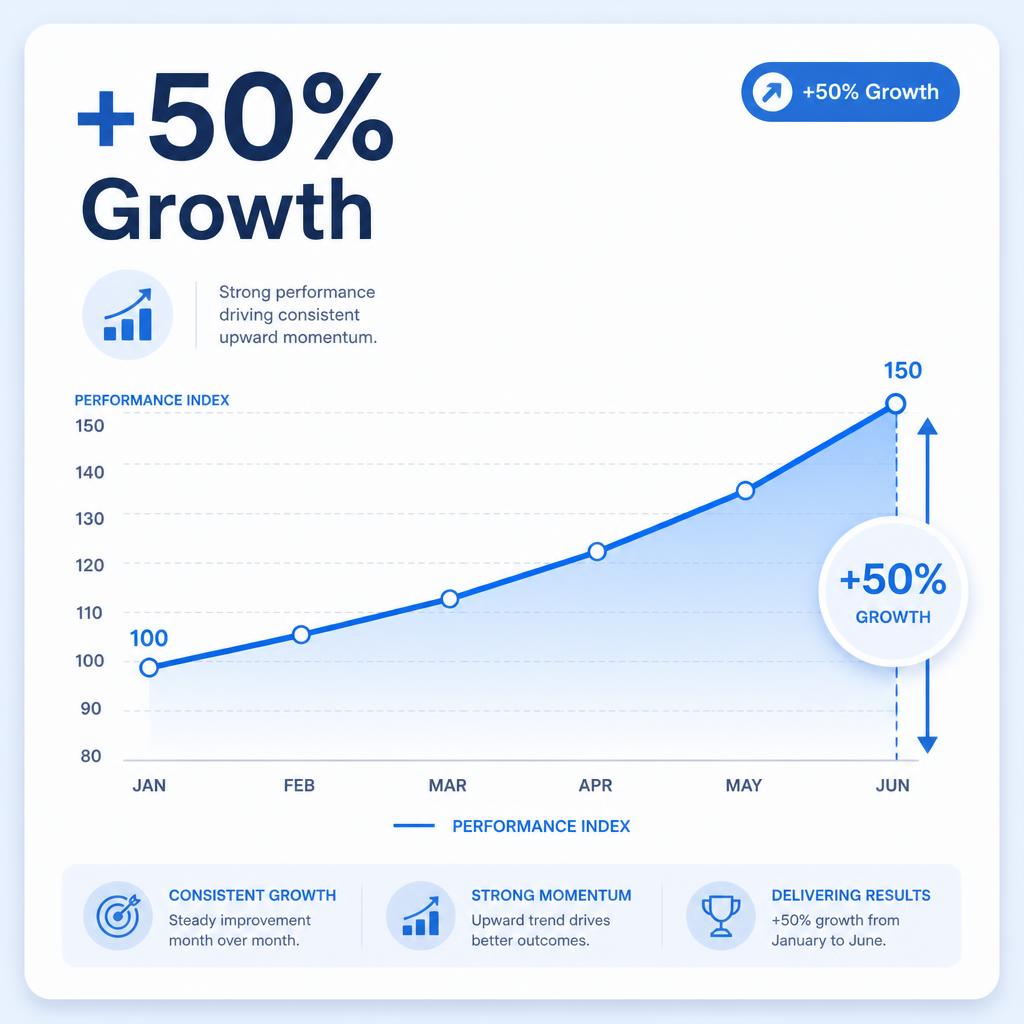
By abandoning the vanity metric of “views” and optimizing the system for organic engagement and semantic relevance, the shop triggered a positive feedback loop in the algorithm. Etsy recognized the high engagement and conversion intent. Within 60 days, while overall shop traffic decreased by 15%, the conversion rate spiked from a baseline of 2.2% to 3.3%—a 50% overall growth in conversion rate, directly translating to a 42% increase in net revenue.
AI-Driven Listing Architecture: Optimizing for the 2026 Etsy Algorithm
Visibility solves the algorithmic equation, but conversion solves the psychological equation. Your listing title and description must function as a dual-purpose architecture: they must feed the semantic parameters of the Etsy search engine while simultaneously reducing cognitive friction for the human buyer.
Using AI to write descriptions is standard practice; however, in 2026, using AI to engineer Listing Architecture is the professional standard.
1. Title Architecture
Titles must no longer be comma-separated lists of synonyms. Etsy’s semantic search penalizes robotic syntax. An optimized title should follow a rigid, logic-based formula:
- Primary Semantic Keyword (High Intent) + Contextual Modifier + Format/Compatibility.
Example: Instead of “Notion Template, Project Manager, Agile Planner, Scrum Board, Digital Download,”
Use: “Agile Sprint Planner for Notion | Scrum Master Project Dashboard | Digital Template.”
You can automate this by prompting your AI with: “Generate 5 title variations for this digital product using a logical hierarchy. Front-load the highest-intent semantic keyword, followed by a contextual modifier. Ensure the syntax reads naturally to a human and remains under 140 characters.”
2. Description Architecture (The UI/UX of Text)
Buyers do not read descriptions; they scan them. Your description must be formatted like a high-converting landing page. You can train an AI to output descriptions using a strict hierarchical framework:
- The Hook (Algorithm + Human): The first 160 characters serve as the meta-description for off-site SEO (Google) and must contain the primary semantic vector, while instantly validating the buyer’s problem.
- The Feature-Benefit Matrix: Bullet points mapping technical features to psychological benefits. (e.g., Feature: Automated sprint tracking. Benefit: Eliminate 4 hours of administrative data entry per week).
- Technical Specifications: A clear, binary list of what is included, compatibility requirements, and limitations. This drastically reduces post-purchase customer service latency.
- Call to Action (CTA): Clear directives on how to download and implement the digital asset immediately after purchase.
By enforcing this architecture, you satisfy the deep-learning models parsing your text for relevance while effectively guiding the human brain through a frictionless purchasing decision.
Technical Checklist: Your Etsy SEO 2026 Audit
To ensure your listings comply with 2026 optimization standards, implement the following systemic audit for every digital product in your inventory. Treat this as your pre-flight deployment checklist.
| Parameter | Diagnostic Check / Metric | Target Threshold / Action Required |
| Title Syntax | Is the primary high-intent keyword front-loaded within the first 40 characters? | Yes. Eliminate keyword stuffing; ensure natural linguistic flow for semantic parsing. |
| Thumbnail CTR Optimization | Does the primary image clearly convey the specific long-tail value proposition? | Target CTR > 3.0%. Use A/B testing on primary images; utilize large typography and high-contrast UI mockups. |
| Semantic Density | Are LSI (Latent Semantic Indexing) keywords naturally integrated into the description? | 3-4 contextual variations of the core keyword present in the text body. |
| Long-Tail Saturation | Do the 13 backend tags match the specific CSV-mapped data vectors? | 100% utilization of all 13 tags. Multi-word phrases only. No single-word generic tags. |
| Dwell Time Mechanics | Does the listing contain a video or interactive gallery elements to retain attention? | Minimum 1 explainer video + 5 highly detailed infographic gallery images. |
| Description Hierarchy | Is the text structured for zero cognitive friction? | Use H1/H2 equivalents (all caps or bolding), short paragraphs, and bulleted Feature-Benefit matrices. |
| Conversion Intent Indicators | Does the copy proactively answer potential buyer objections? | Zero ambiguity regarding software compatibility, file formats (e.g., PDF, Notion link), and refund policies. |
Conclusion
Surviving and scaling an Etsy storefront in 2026 requires the mindset of a systems engineer. The era of guesswork, keyword stuffing, and isolated tactics has been deprecated. By integrating API data extraction, mastering CSV data mapping, leveraging AI for semantic processing, and optimizing for CTR and human psychology, you transform your shop from a passive digital catalog into an active, data-driven conversion engine.
Implement the Data-Loop method, strictly audit your listing architecture, and watch as your store seamlessly aligns with both algorithmic parameters and human purchasing intent.
How are you managing your Etsy SEO in 2026? Let’s discuss in the comments below.